Are you familiar with Radio Frequency Identification (RFID) technology? You may not know the technology, but we often encounter and use its products in our daily lives. For example, office access cards, e-toll cards, logistics tracking, and modern security systems.
This technology is known as a small chip attached to a card or item label. The big thing is the history of RFID itself. How it evolved from what was originally used for long-distance communication during wartime to the popular technology it is today.
To understand the development of modern digital devices today, we can start with the history of RFID. By increasing your technological literacy, you can understand the story behind the technology we use.
History of RFID: As an Early Technology Before NFC
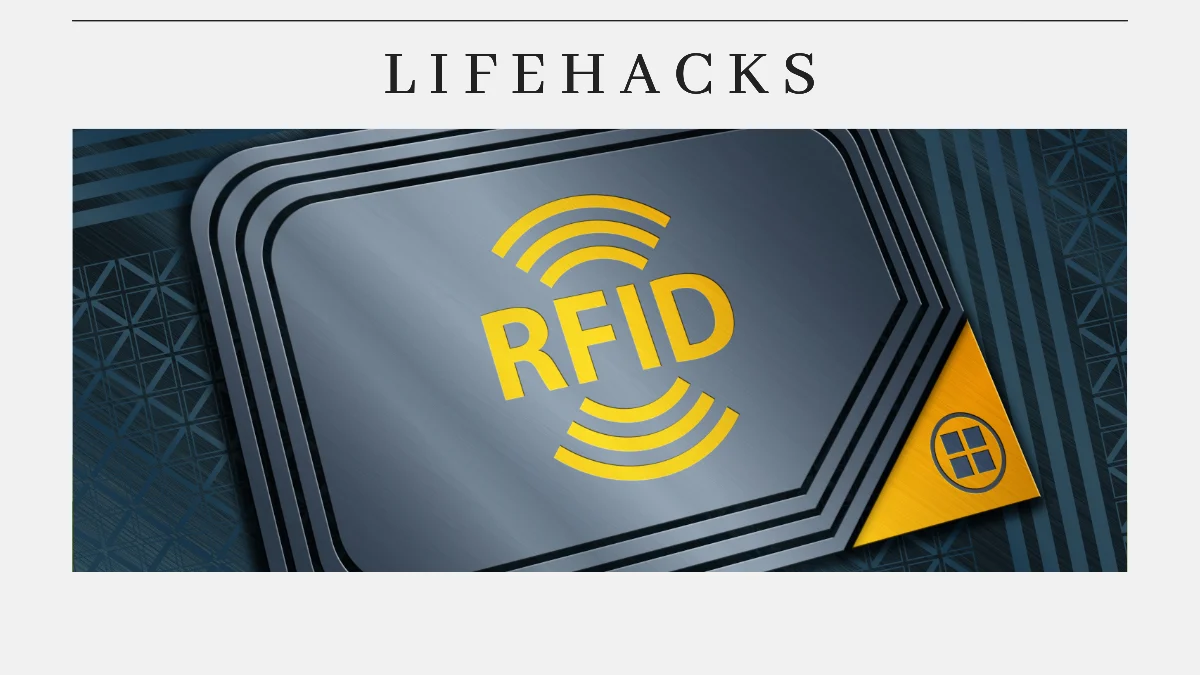
The history of RFID is inseparable from the history of NFC. RFID itself is the origin of the NFC innovation. This began with radio experiments conducted in the early 20th century.
Scientists initially sought a way to passively transmit information without complex systems through radio signals. Eventually, the idea emerged to create a device that could automatically respond to signals.
During the same period, during World War II, militaries in various countries were searching for ways to identify their own aircraft. The British military developed a system called Identification Friend or Foe (IFF), which was successfully used to identify their own and enemy aircraft.
After the war, the desire to create devices that could automatically respond to signals persisted. The workings of the IFF system became the basis for RFID systems. Charles Walton, a former soldier in the Army Signal Corps, was the figure behind the invention of modern RFID.
In 1980, Walton filed a patent for RFID. Only then did this technology begin to be adopted by several industries. The first to use this technology were the manufacturing and logistics industries.
Many factories began installing RFID to monitor production as a solution to the limitations of barcodes. RFID is also used to monitor containers, trucks, and other mobile assets.
RFID tags, which can be read from a distance and can store more information, are a distinct advantage.
Entering the 2000s, RFID technology began to become a part of everyday life. It is used in electronic toll gates, e-money cards, and transportation payment systems. It even serves as a pet identification tool.
Concurrently, 2002 saw Sony collaborate with NXP Semiconductors to successfully create NFC technology. Since then, both technologies have evolved to meet their respective needs.
RFID Technology Development
From the history of RFID above, we know that this technology has undergone significant development since its initial discovery. Over the past 80 years, this technology has developed and evolved.
RFID has evolved from radio experiments by scientists seeking to create devices that could automatically respond to signals to its current state of widespread consumption. The following is a timeline of RFID development from the 1940s to the present.
- 1940s: The use of IFF to distinguish friendly and enemy aircraft during World War II.
- 1960-1970s: Research began in civilian laboratories with experiments in vehicle tracking, livestock identification, and automated access systems.
- 1980s: Charles Walton filed a patent for RFID, and the industry began adopting the technology.
- 1990s: RFID began to be widely used for supply chain and inventory management.
- 2000s – Present: Mass adoption in retail, electronic passports, contactless payments (credit cards/e-tolls), and asset tracking.
Everyday RFID Applications
From the history of RFID, we know that this small technology has had a significant impact on the present day. Today, RFID is used in many telecommunications devices. Its benefits are certainly felt in our daily lives.
Even today, RFID applications play a vital role in the continuity of modern life. Here are some examples of its use in everyday life.
1. Contactless payment

This function is similar to NFC. RFID also enables contactless payments. RFID cards can make payments with just a single tap.
This will certainly help make payments more effective and efficient. Payments are more secure because they eliminate the need for cash.
2. Inventory tracking
Since its inception, RFID has been used for inventory tracking. The manufacturing and retail industries use this technology to monitor goods in real time.
Products tagged with RFID can be tracked for location and quantity without the need for manual counting. This speeds up the inventory audit process and helps reduce loss.
3. Access control
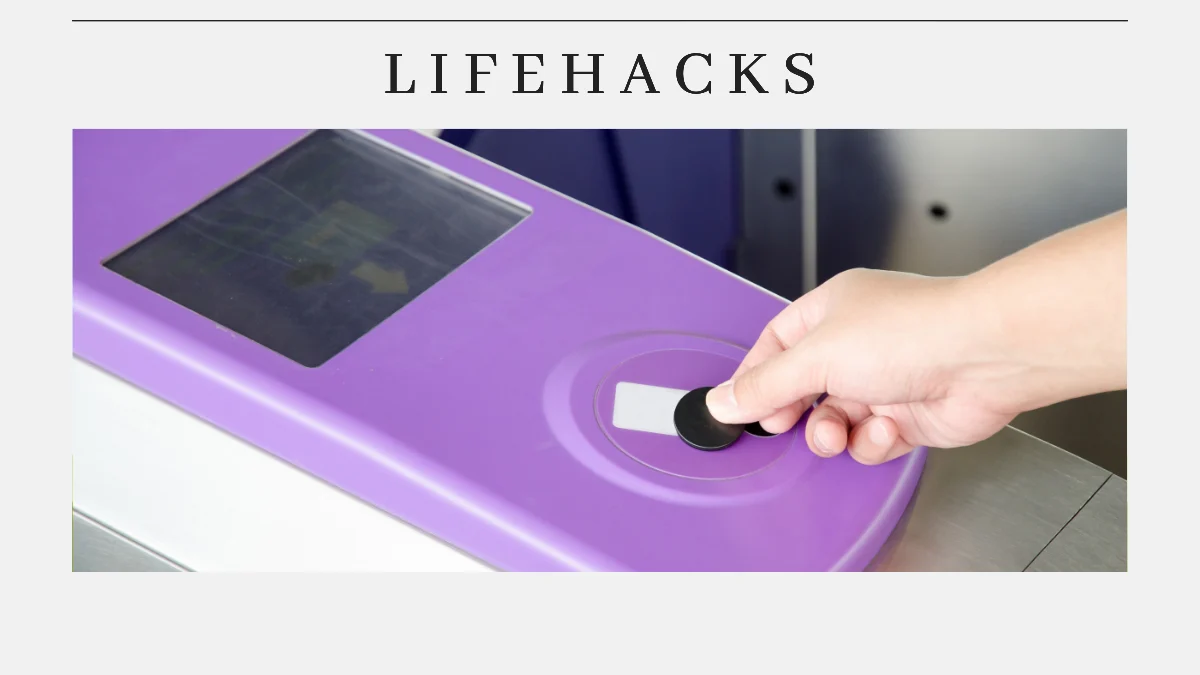
Access control is another application of RFID, similar to NFC. Many companies use RFID access cards to control who can enter certain rooms.
The card is simply tapped to a reader without the need for a key or manual code. This significantly increases building security.
4. Library asset management
Modern libraries typically attach RFID tags to their books. This is done to track books and manage borrowings.
The time of borrowing and returning books is recorded through the established system. This makes it easier for library staff to borrow and track books.
5. Patient care in the hospital
In hospitals, RFID can be used for equipment and patients. RFID tags are embedded on equipment to facilitate tracking.
Patients typically wear wristbands. These tags are used to identify patients, regulate medication administration, and automatically update medical records.
RFID reduces the risk of administrative errors and makes the service process more accurate.
The Role of RFID in the Future
A discussion of the history of RFID cannot be separated from its perspective on the future. This will produce an interesting predictive history to discuss.
In the future, RFID is predicted to integrate with the Internet of Things (IoT) and Artificial Intelligence (AI), smart tags, and a combination with Blockchain.
The integration of IoT and AI will enable customer behavior, management, automated inventory, and supply chain operations. Future RFID smart tags will be equipped with sensors that allow them to monitor temperature, humidity, and other environmental parameters.
The combination with Blockchain will further enhance RFID security, making the supply chain more transparent and reducing product counterfeiting.
That’s the history of RFID, which can increase your technological literacy. This way, you’ll understand how a small technology that automatically responds to signals has a major impact.
Understanding RFID’s history to date will help you better appreciate its future developments. Because what happens in the future is inseparable from the innovations from the past to the present, which continue to be made.
Table of Contents
Muhammad

Hello, my name is Rifqi. I have studied how language can influence human interaction and impact sociocultural aspects. Currently, I work as a corporate content writer at Dimulti Type Approval. Through my writing, I hope to make difficult technical matters or everyday issues easier for you to understand.
Related Articles