A robot vacuum cleaner does more than just clean the dust. The smart technology behind them, such as Artificial Intelligence (AI), makes them more futuristic.
AI in robot vacuum cleaners has a long history of efficient and independent cleaning. The goal is to support smart navigation, obstacle detection, and professional cleaning.
This article will inform you about the AI in robot vacuum cleaner that impacts automation and adaptive cleaning.
AI in Robot Vacuum Cleaner
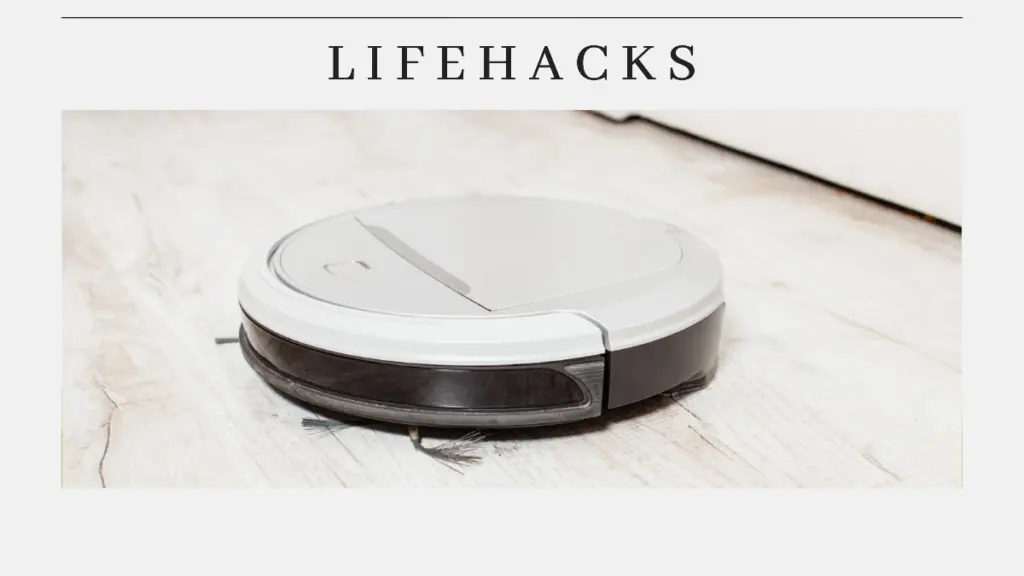
AI is the technology behind a robot vacuum cleaner that detects obstacles and automatically adjusts its cleaning path. They can avoid objects such as furniture, cables, and animal droppings. By adjusting the cleaning path, they create an efficient route that recognizes and adapts to changes in the house’s layout.
A robot vacuum can thereby improve performance by covering a wider area more efficiently. They can connect to WiFi and integrate with smart home ecosystems. Users can control and schedule house cleaning via a mobile app or voice commands.
A Brief History
The early era of robot vacuum cleaners began in the 1990s, marked by various experiments. The first commercial robot vacuum cleaner, Electrolux Trilobite, was marketed in 1996. In 2022, the first generation of the iRobot Roomba was introduced.
Both still used basic sensors and ultrasonics, so their navigation patterns remained random, and they often collided with obstacles. Significant improvements occurred in the 2010s with the introduction of Light Detection and Ranging (LIDAR) technology and cameras. With this technology, robot vacuums began to be able to map homes accurately.
The era of AI in robot vacuum cleaners began in 2020, with many manufacturers integrating more advanced machine learning and object recognition algorithms. Basic features include object recognition, multi-floor mapping, and adaptive learning.
To date, AI continues to be developed as a supporting component for robot vacuums. Development efforts focus on creating autonomous machines that understand, map, and adapt to the user’s home environment. The goal, of course, is more efficient and independent cleaning.
Main Application of AI
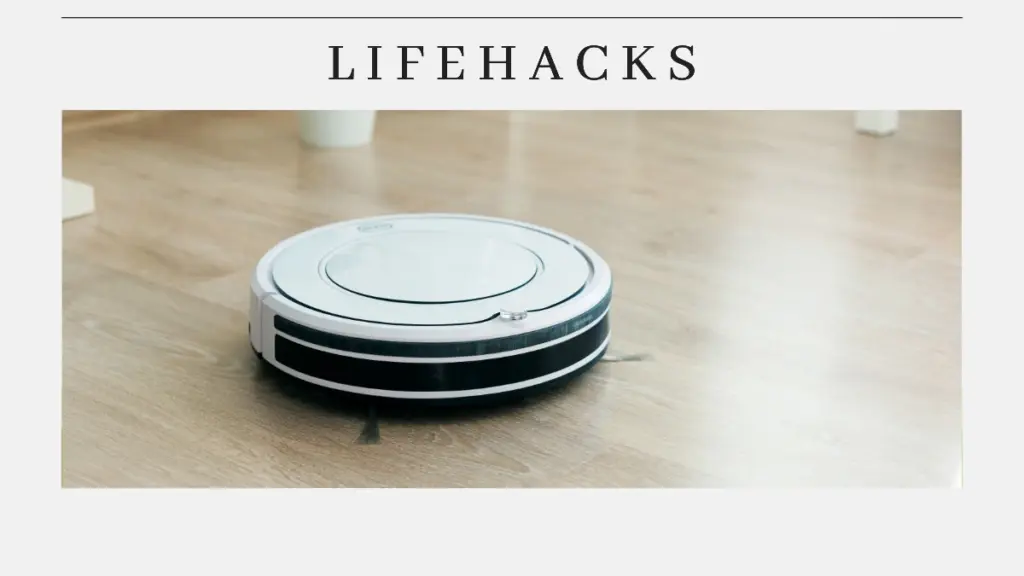
The application of AI in robot vacuum cleaners is inseparable from its capabilities as a learning machine and algorithm collector. It will integrate with sensors such as LiDAR and cameras in navigation systems. Here are some of its applications:
- Navigation and mapping: Creates a map of your home to plan the most efficient cleaning route and return to the charging station.
- Machine learning: It can learn from its environment and adapt over time to avoid new furniture or adjust cleaning patterns.
- Obstacle avoidance: Able to recognize and avoid objects, from large to small, preventing them from getting stuck or tangled.
- Smart home integration: Seamlessly integrates with smart home ecosystems, allowing you to schedule cleaning, monitor progress, and give commands via a mobile app or voice assistant.
- Self-care and diagnostics: Allows you to monitor the device’s health, predict filter replacement, warn of clogs, and track motor performance for predictive maintenance.
- Custom cleaning: Can adjust cleaning modes based on floor type, adjust pressure, and decide when to switch between vacuuming and mopping.
That is thetechnology of AI in robot vacuum cleaners that provides automation and adaptive cleaning. By understanding AI technology, you not only gain knowledge but also insight into its role. Additionally, it helps consumers clean their homes effectively.
Table of Contents
Muhammad

Hello, my name is Rifqi. I have studied how language can influence human interaction and impact sociocultural aspects. Currently, I work as a corporate content writer at Dimulti Type Approval. Through my writing, I hope to make difficult technical matters or everyday issues easier for you to understand.
Related Articles