Technological advancements have made sending and receiving data easier than ever. Wireless technology eliminates the need to use mobile data for data transfers. These innovations are exemplified by NFC and Bluetooth.
These technological innovations make everything so much easier. NFC and Bluetooth are now widely integrated into various smart devices, such as smartphones. Users simply need to choose when to use them for the right purpose.
NFC and Bluetooth technology seem to make our phones feature-rich. However, if you don’t know how to use them, your phone won’t seem very smart.
To make the most of this technology, let’s understand the differences between them and when to use each.
Definition
Before discussing the differences between NFC and Bluetooth, you need to know a brief definition of each. Understanding these definitions will help you better grasp the differences between the two.
What is NFC?
Near Field Communication (NFC) is a short-range wireless technology, typically operating within a range of less than 10 cm. Communication occurs via radio waves at a frequency of 13.56 MHz.
NFC technology does not transmit power in the form of radio waves; instead, it operates using an alternating magnetic field. NFC communication involves one transmitting device and one receiving device.
An NFC system requires an initiator (reader) and a target (tag, card, sticker, or keychain). NFC tags are passive; they only contain data that can be read. The data that can be stored on these tags ranges from 96 to 8,192 bytes.
What is Bluetooth?
Bluetooth is also a short-range wireless technology, but it can reach up to 10 meters. This communication is conducted via UHF radio waves in the range between 2.402 GHz and 2.480 GHz.
Bluetooth technology uses a radio technology called frequency-hopping spread spectrum. Bluetooth communication uses the IEEE 802.15 standard and is ideal for low-power applications such as the Internet of Things (IoT).
The Bluetooth system transmits data by dividing it into packets. The data is then sent over one of the 79 predefined Bluetooth channels. Each channel has a bandwidth of 1 MHz.
Differences Between NFC and Bluetooth
The definitions of NFC and Bluetooth certainly highlight some differences between the two. These differences encompass several factors, namely radio frequency bands, range, device compatibility, data transfer speed, and security.
1. Radio frequency bands
Radio frequency bands are the most significant difference between NFC and Bluetooth. It is this difference that leads to other operational differences between the two.
NFC operates on a 13.56 MHz radio frequency band. Meanwhile, Bluetooth operates on a radio frequency band between 2.402 GHz and 2.480 GHz.
2. Operating range
Although both are short-range communication technologies, NFC and Bluetooth have different operating ranges. NFC has a relatively short operating range, reaching only a few centimeters.
Meanwhile, Bluetooth has a much longer operating range, extending up to several meters. Both have different implications regarding security, interference, and connection stability.
3. Device compatibility
When sending and receiving data, these two short-range communication technologies have different device compatibility. NFC requires one device to send the signal and another to receive it.
NFC tags can be active or passive. An active tag can send and receive data, while a passive tag can only send data. An example of an active tag is NFC on a smartphone. Meanwhile, passive NFC tags are found on access cards.
Unlike NFC, with Bluetooth, both devices are generally active. Thus, each device can send and receive data from the others. This mechanism is why we don’t find Bluetooth installed on passive items, as it wouldn’t function.
4. Data transfer speed
The data transfer speed of short-range communication affects its operational range. NFC has a data transfer speed of 400 Kbps. This speed is sufficient for the transmission range it covers.
Meanwhile, in this regard, Bluetooth far surpasses NFC. Bluetooth has a data transfer speed of up to 2 Mbps. A longer range allows for a higher data transfer speed.
5. Power consumption
NFC automatically scans 10 times per second. After that, it returns to sleep mode. During scanning, NFC uses only about 3 to 5 mA. Meanwhile, in active mode, it uses about 40 mA.
This very low power consumption allows devices to stay connected longer without draining the battery too much.
Meanwhile, Bluetooth tends to use more energy, especially when maintaining an active connection or sending data over long distances. Bluetooth Low Energy (BLE) consumes 15 mA in sleep mode. In fact, conventional Bluetooth consumes twice as much energy in a similar mode.
6. Security
In terms of security, NFC and Bluetooth each have their own security features. NFC uses encryption to protect data. However, its short range naturally limits unauthorized access.
Meanwhile, Bluetooth offers security through pairing codes, encryption, and authentication. Its longer operating range makes Bluetooth more susceptible to security threats.
Examples of Applications
Given the differences between NFC and Bluetooth, it’s clear that the two technologies are used in distinct ways. Here are some examples of how these two short-range wireless technologies are applied.
NFC applications
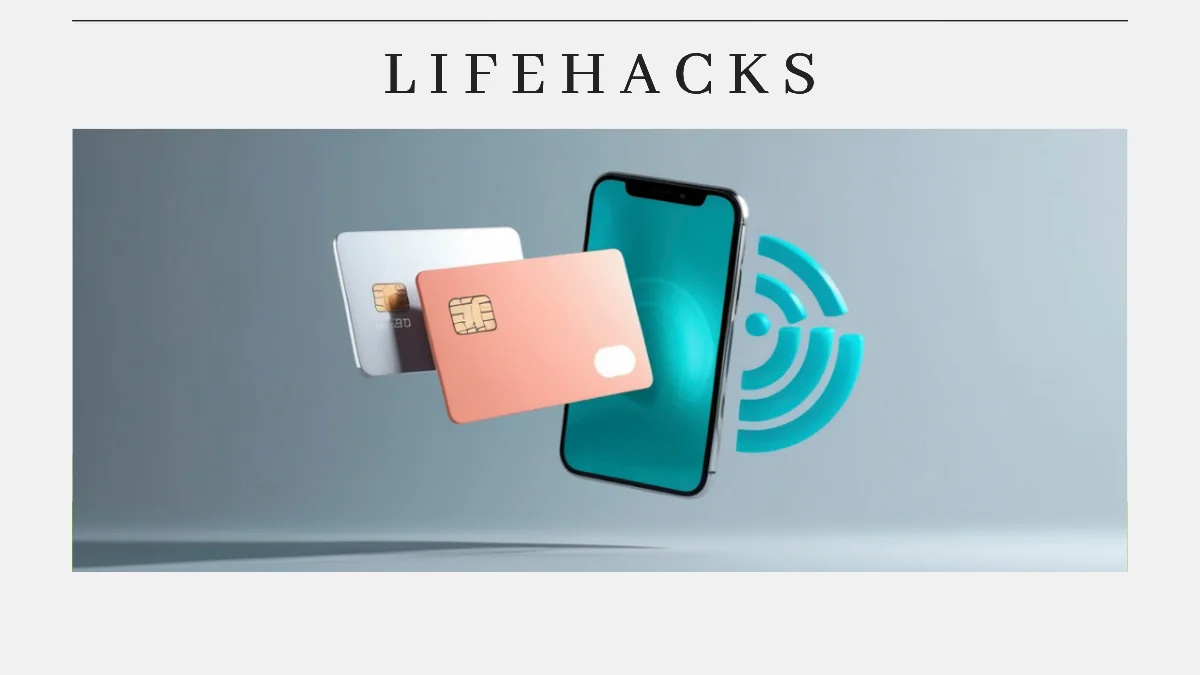
- Contactless payment: Given the history of NFC, contactless payment is the most well-known application of this technology.
- Public transportation: NFC is used for payment and access to trains or buses.
- Access control: Widely used in office buildings to grant access to specific areas.
- Marketing and information: NFC tags on posters, stickers, or products are widely used to attract customers.
- Wearable devices and IoT: NFC is widely used in smartwatches and fitness trackers. This allows wearable devices to make payments or function as tickets and access cards.
Bluetooth applications
- File transfer: Allows you to send files—such as photos or documents—between nearby devices.
- Audio streaming: Using headphones, headsets, and speakers, a Bluetooth connection enables wireless audio playback.
- Hands-free calling: Hands-free features make it easy to stay connected while on the go.
Which One Is Better?
NFC and Bluetooth, with their respective differences and applications, allow you to decide which is better. In reality, we don’t need to choose which is better, because both can be used for different needs.
The technology you choose will depend on your needs. NFC is the best option if you’re a fan of contactless payments. On the other hand, Bluetooth will be very useful for those who need to transfer large amounts of data to multiple devices.
Table of Contents
Muhammad

Hello, my name is Rifqi. I have studied how language can influence human interaction and impact sociocultural aspects. Currently, I work as a corporate content writer at Dimulti Type Approval. Through my writing, I hope to make difficult technical matters or everyday issues easier for you to understand.
Related Articles