Near Field Communication (NFC) technology is probably already familiar to you. Indeed, in recent years, we’ve seen this technology frequently in many devices, including smartphones.
NFC facilitates short-range wireless communication between two devices. Its uses range from digital payments to data transfers.
Behind this technology, many people may still be unaware of how NFC became the popular technology it is today. However, this is inseparable from the long and important history of NFC itself.
To understand the development of modern digital devices today, we can start with the history of NFC. By increasing your technological literacy, you can understand the story behind the technology we use.
History of NFC: From Military to Public
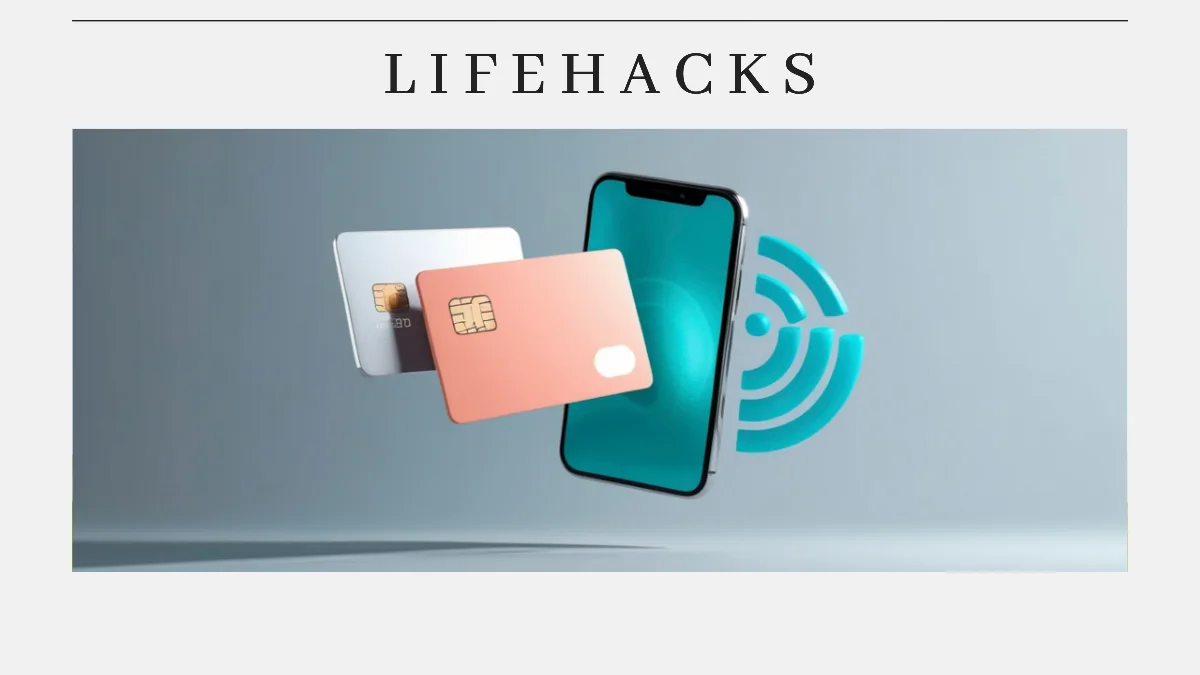
The history of NFC is inseparable from the history of the military and Radio Frequency Identification (RFID). In the early 20th century, this technology began to be developed by Nikola Tesla and Alexander Popov.
At the same time, militaries in various countries were seeking ways to identify their own aircraft returning from the battlefield. This is where the British military first introduced the idea of the Identification Friend or Foe (IFF) system.
This system aimed to capture aircraft signals. The signals would identify whether the aircraft was their own or an enemy. The way this system worked also became the foundation of the RFID system.
After the war, this technology didn’t die. In fact, its innovation continued to develop. Charles Walton, a former soldier in the Army Signal Corps, was the figure behind the invention of modern RFID.
His work at the IBM Research Laboratory led him to continue developing the technology. In 1980, he filed a patent for RFID.
This is where the technology truly gained industrial adoption. RFID eventually caught the attention of technology companies operating in the telecommunications sector.
Sony was one of the first companies to recognize the importance of user data security for their devices. In 2002, Sony collaborated with NXP Semiconductors to successfully create NFC technology.
The principle behind NFC is the same as that of RFID. Essentially, NFC is a subset of RFID, using radio frequencies to transfer data.
However, RFID still poses a security risk due to potential interference during transmission. This is where solutions emerged to reduce the radio frequency bandwidth for data transmission.
Data can still be transmitted without the need for two devices to be in proximity. This technology later became known as NFC.
NFC Technology Development
From the history of NFC above, we know that this technology has undergone significant development since its initial discovery. It has been developing and evolving for over 40 years.
From its discovery during the war to its current state of general consumption, the following is a timeline of NFC development from 1980 to the present.
- 1980: RFID was first patented as the pioneer of NFC technology.
- 1990: First adapted by the logistics industry to quickly identify goods.
- 2002: NFC technology emerged as a more secure short-range data transfer tool than RFID.
- 2004: The NFC Forum was established by Nokia, Sony, and Philips. This demonstrated a commitment to integrating NFC into production to improve security and user convenience.
- 2006: The Nokia 6131 became the first mobile phone to include NFC.
- 2010: The Samsung Nexus S became the first smartphone to use NFC. NFC technology is applied to both mobile phone hardware and software.
- 2011: The first NFC-based contactless payment was launched by Google Wallet.
- 2014: Apple Pay was introduced by the iPhone, which integrated NFC into its phone.
- 2015 – Present: NFC is integrated into many devices, such as smartwatches and fitness trackers. NFC also plays a significant role in the Internet of Things (IoT).
Everyday NFC Applications
From the history of NFC, we know that this technology has had a long journey to this day. Currently, NFC is applied to many telecommunications devices. Its benefits can certainly be felt in our daily lives.
Even today, NFC applications play a vital role in the continuity of modern life, from contactless payments and access control to their use in IoT devices.
1. Contactless payments
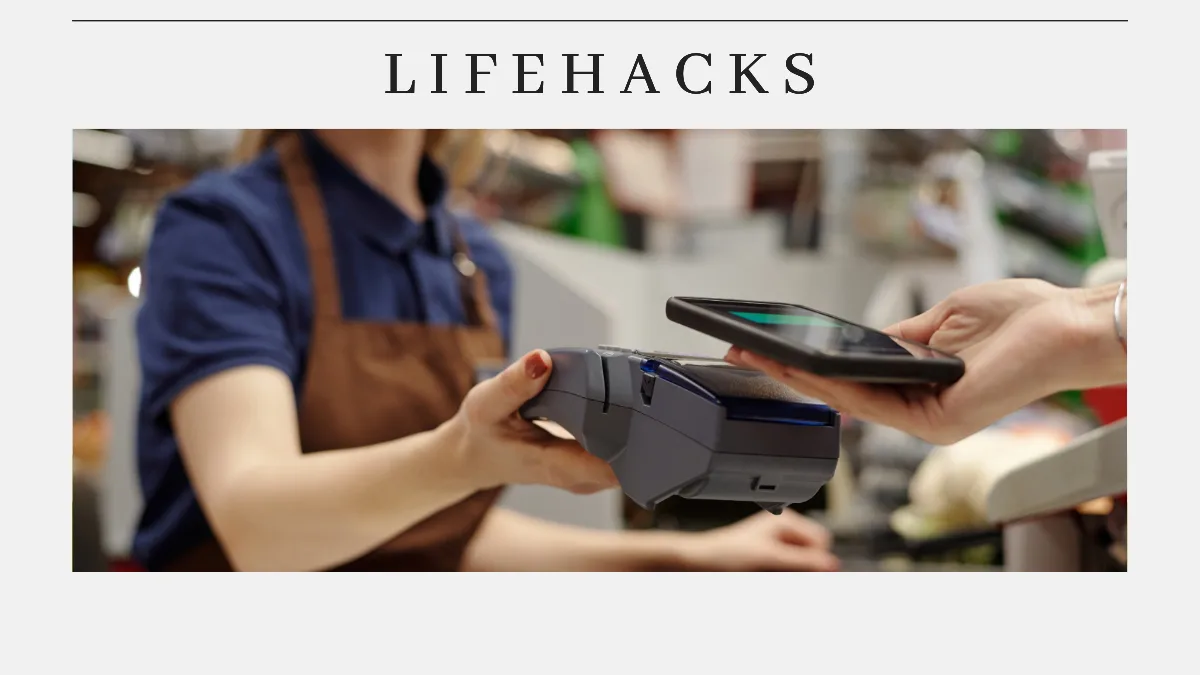
Contactless payments are the most well-known use of NFC. Users can make payments simply by tapping their smartphone or watch on a payment terminal.
This more secure payment automatically replaces cards or cash. This application was popularized by Apple Pay and Google.
2. Public transportation
The convenience of contactless payments is utilized in public transportation systems. With NFC, commuters simply tap their cards or phones at turnstiles to enter trains or buses.
London’s Oyster and Japan’s Suica are among the pioneers of NFC ticketing. Currently, in Indonesia, almost all public transportation in capital cities uses NFC tickets.
3. Access control

Besides transactional purposes, NFC is also used for access control. It can function as a key card in buildings, hotels, and cars.
You can open a door or start a vehicle simply by using an NFC badge or a touch of your phone. Almost all hotels now use NFC key cards. Even some car manufacturers are utilizing NFC technology in smartphones to act as door keys.
4. Marketing and information
The ease of short-range data transfer via NFC is well-utilized in businesses for marketing and information. NFC tags on posters, stickers, or products are widely used to attract customers.
NFC-enabled posters can provide promotional videos, web pages, or coupons when customers tap their phones. The same is also used by museums and retailers to share more information about a product or exhibition.
5. Wearable devices and IoT
Wearable devices and IoT make good use of NFC. NFC is widely used in smartwatches and fitness trackers. This allows wearable devices to make payments or act as tickets and access cards.
In IoT, NFC tags are used to simplify setup. For example, simply tapping a smartphone against a smart device can configure credentials or Wi-Fi settings, simplifying the setup process.
What Will NFC’s Role Be in the Future?

Discussing the history of NFC cannot be separated from its perspective on its future. This will produce an interesting predictive history for us to discuss.
In the future, NFC can be predicted to focus on multi-functional devices that combine payment, loyalty, and identity in a single action.
As an advanced payment technology, NFC is predicted to become increasingly popular for contactless payments. A single touch can perform several actions simultaneously, for example, paying for goods, applying loyalty discounts, and generating digital receipts.
As a supporter of IoT and smart home connectivity, NFC is predicted to eliminate the complicated Bluetooth or Wi-Fi pairing process. NFC will simplify direct and secure connections. Automation between devices can also be achieved with just a single touch.
AI Developments Affecting NFC
Discussing the future of technology cannot be separated from the role of Artificial Intelligence (AI). It has become a tool that is currently in high demand and is highly dependent on it.
NFC is also inseparable from AI. This is as stated by Andre Ripla, a former IT Business Partner at the US telecommunications company AT&T. He explained that AI can be integrated into the NFC feature in devices.
AI automatically provides the information needed by users in a simpler form. For example, when tapping an NFC card to find a location, the AI integration will display the quickest route, alternative routes, or alternative locations.
AI is also useful in improving security. AI algorithms can analyze device interaction patterns. If there is a different rhythm or pattern of NFC transaction usage, it will be authenticated.
That’s the history of NFC, which can improve your technological literacy. This way, you’ll understand that a process as simple as short-range communication actually involves a long process.
Understanding NFC will help as this technology develops in the future. The use of NFC in communication devices is inseparable from International Type Approval.
This approval ensures that devices with NFC technology comply with the safety and quality standards set in a particular country. Certified NFC devices are guaranteed safe to use and will not interfere with other devices.
Table of Contents
Muhammad

Hello, my name is Rifqi. I have studied how language can influence human interaction and impact sociocultural aspects. Currently, I work as a corporate content writer at Dimulti Type Approval. Through my writing, I hope to make difficult technical matters or everyday issues easier for you to understand.
Related Articles