Are you familiar with Ultra Wideband (UWB) technology? You may not be familiar with this technology, but without realizing it, we often use it in our daily lives. For example, smartphones, wearables, automotive keyless entry, industrial Real-Time Location Systems (RTLS), smart homes, and the Internet of Things (IoT).
UWB is known as a short-range wireless communication technology with very wide frequencies, low power, and high data rates. The long of this short-range wireless communication lies in the history of UWB itself.
UWB technology continues to evolve in terms of its uses. Initially, it was only used for short-range data transmission to replace cables, and it has become the popular technology it is today.
To understand the development of modern digital devices today, we can start with the history of UWB. By increasing your technological literacy, you can understand the story behind the technology we use.
The History of UWB: From Electromagnetic Wave Experiments to Its Development

The history of UWB cannot be separated from Heinrich Hertz’s early efforts to prove the theory of electromagnetic waves. In the 1880s, he began inventing spark gap transmitters.
The high-frequency evanescent mode received electrical sparks. This signal is called ultra-wideband. Then, in 1890, Guglielmo Marconi, inspired by Hertz, furthered his research on these electrical spark signals.
Developments and refinements were made gradually to increase the transmission range. In 1901, he successfully sent the first radio transmission using Morse code across the English Channel during a transatlantic communication session.
1. UWB Technology Patenting
The 1960s marked the beginning of the development of the field of UWB radio frequency (RF) signals. This development was inseparable from the pioneering contributions of Harmuth at the Catholic University of America, Ross and Robbins at Sperry Rand Corp., Paul van Etten at the US Air Force (USAF) Rome Air Development Center, and in Russia.
From 1969 to 1984, Harmuth published books and magazines detailing basic designs for UWB transmitters and receivers. In 1973, Ross and Robbins (R&R) patented UWB.
This pioneered the use of UWB signals in several applications, including communications and radar. At the time, this patent was crucial in UWB communications.
2. Development of the Stroboscopic Oscilloscope: A Key Stage in UWB Development
The use of UWB signals in radar spurred Morey to innovate. In 1974, he designed a UWB radar system for ground penetration.
This paved the way for a new direction in UWB radar for geolocation and positioning. Its development was carried out using a stroboscopic oscilloscope with a scanning frequency exceeding 10 GHz.
This development marked a significant milestone in the development of UWB technology, which has impacted the world.
3. UWB Operation at Ultra-Low Power for the First Time
1994 marked the first time UWB operated at ultra-low power. This was based on the invention of the micro-power impulse radar (MIR) by T.E. McEwan.
Operating at ultra-low power made UWB very compact and inexpensive. MIR was the first UWB radar to operate on only microwatt battery power.
MIR featured a unique reception method design, enabling highly sensitive signal detection for the first time.
4. Rapid Development of UWB
The mid-20th century saw the rapid development of UWB technology, especially in the United States. This was due to its proven usefulness as a radar and military communications technology.
In early 1998, unlicensed UWB experiments were submitted to the United States Federal Communications Commission (FCC). The application was submitted by three companies: US Radar, Time Domain, and Zircon.
Finally, in 2002, the FCC authorized the limited unlicensed use of UWB systems in radar, public safety, and data communications applications. This marked the beginning of the unlicensed commercialization of UWB technology for three distinct device categories: data transmission systems, portable radars, and measurement systems.
UWB uses Time to Time
After learning about the history of UWB, we realize that its uses have continued to evolve time to time. Initially used only for the military, it is now found in many of the devices we own. Here are its uses time to time.
1. Military and medical research
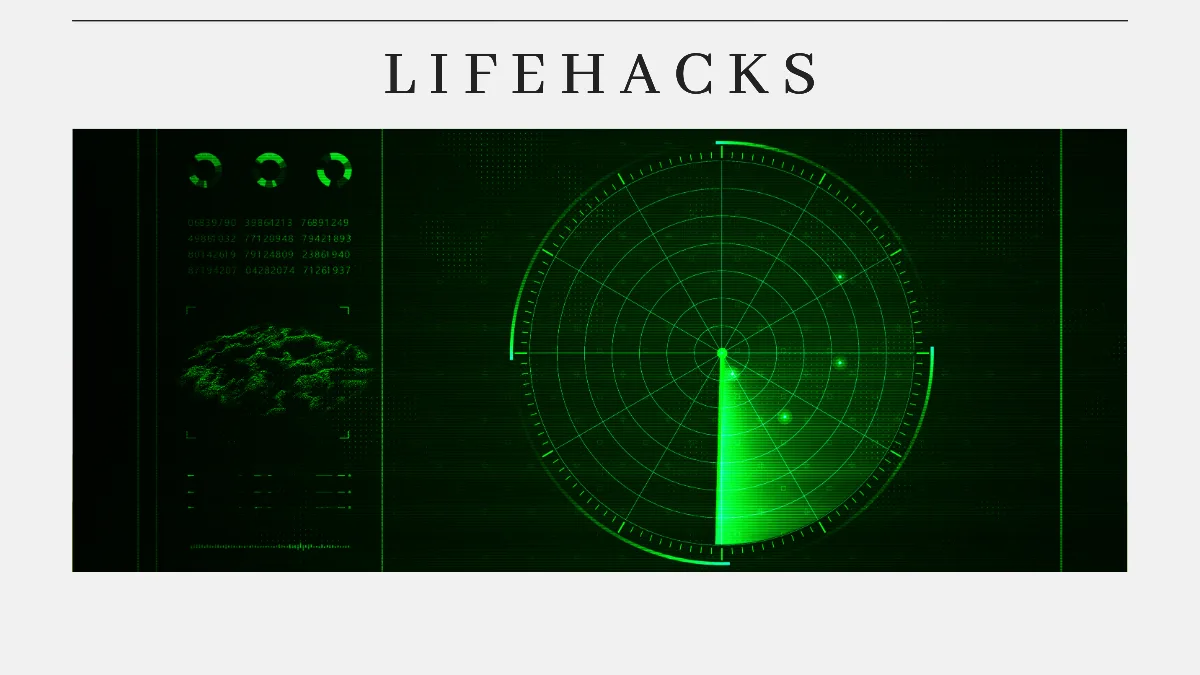
In the early days, UWB was only used for military and medical research. In the military, it was used for communications, short-range radar, and medical imaging. Meanwhile, in medical research, it was applied to cardiology and respiratory monitoring.
2. RTLS and asset management
Entering the industrial era, UWB was used for Real-Time Location Systems (RTLS) and asset management. It became the gold standard for accurate indoor position tracking, especially in industrial, manufacturing, and logistics environments.
Furthermore, it is also used to monitor inventory and equipment. With UWB, asset management can be monitored in real time.
3. Current needs
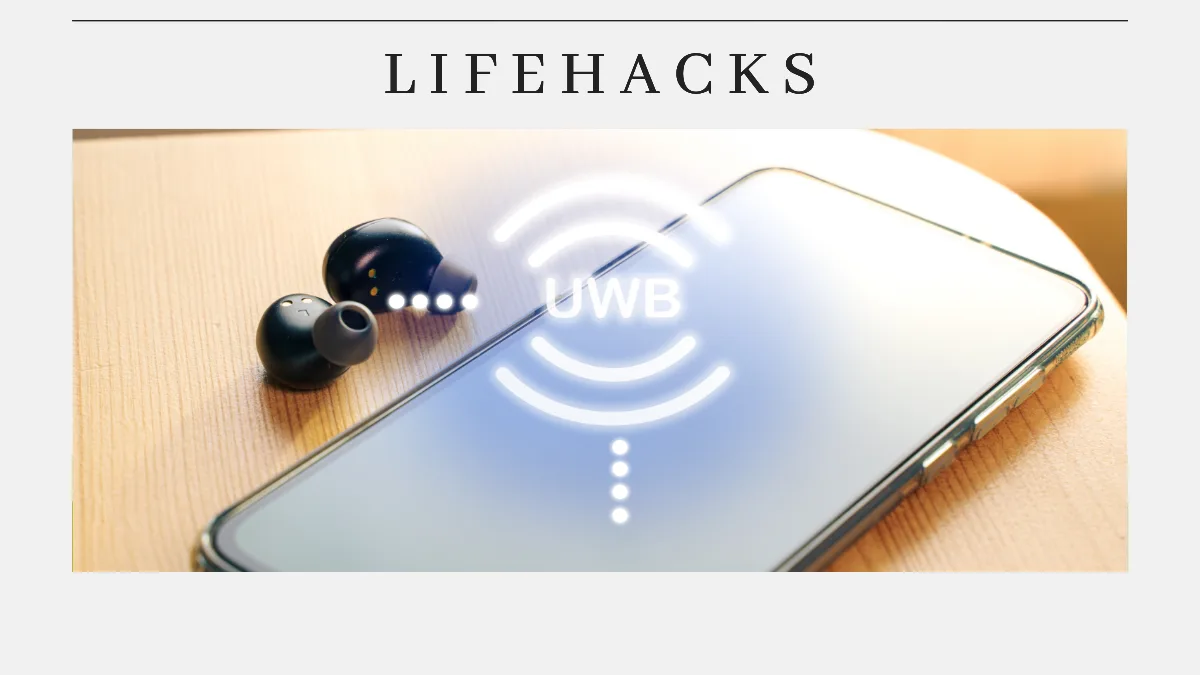
Currently, UWB is found in many everyday needs, for example, in smartphones, smart car keys, and smart homes. UWB enables AirDrop and AirTags, keyless entry systems, and location-based integration to enable smart devices.
The Future of UWB
UWB’s history has proven its success as the most efficient location technology. This is thanks to its combination of accuracy and affordability. This has led to its widespread adoption in various industrial sectors and modern telecommunications devices.
Using predictive history, we can see that the future of UWB will be equally successful. It will continue to grow massively. The 2027 World Radiocommunication Conference (WRC) will modernize regulations and expand the UWB spectrum.
UWB is predicted to be adopted in many smartphones within the next four years. For smart access, UWB will compete with Bluetooth or RFID in terms of security.
Furthermore, it can also work alongside Bluetooth and NFC for a seamless user experience. The biggest innovation predicted is utilizing UWB for autonomous cars and making it a motion-based security system.
That’s the history of UWB, which can improve your technological literacy. This way, you’ll understand how short-range communication technology has had a long-lasting impact on the development of today’s technology.
Understanding the history of UWB to date will help you better appreciate its future developments. Because what happens in the future cannot be separated from the innovations from the past to the present, which are ongoing.
The use of UWB in communication devices is inseparable from International Type Approval. This permit ensures that UWB devices comply with the safety and quality standards established in a particular country. Certified UWB devices are guaranteed safe to use and will not interfere with other devices.
Table of Contents
Muhammad

Hello, my name is Rifqi. I have studied how language can influence human interaction and impact sociocultural aspects. Currently, I work as a corporate content writer at Dimulti Type Approval. Through my writing, I hope to make difficult technical matters or everyday issues easier for you to understand.
Related Articles