Are you familiar with Zigbee technology? You may not be familiar with it, but without realizing it, we often use it. It’s utilized in the smart home device ecosystem.
Zigbee is known as a short-range, low-frequency wireless communication technology that allows multiple devices to exchange data and/or information. The long history of this short-range wireless communication lies in the history of Zigbee itself.
To understand the development of modern digital devices today, we can start with the history of Zigbee. By increasing your technological literacy, you can understand the story behind the technology we use.
What is Zigbee?
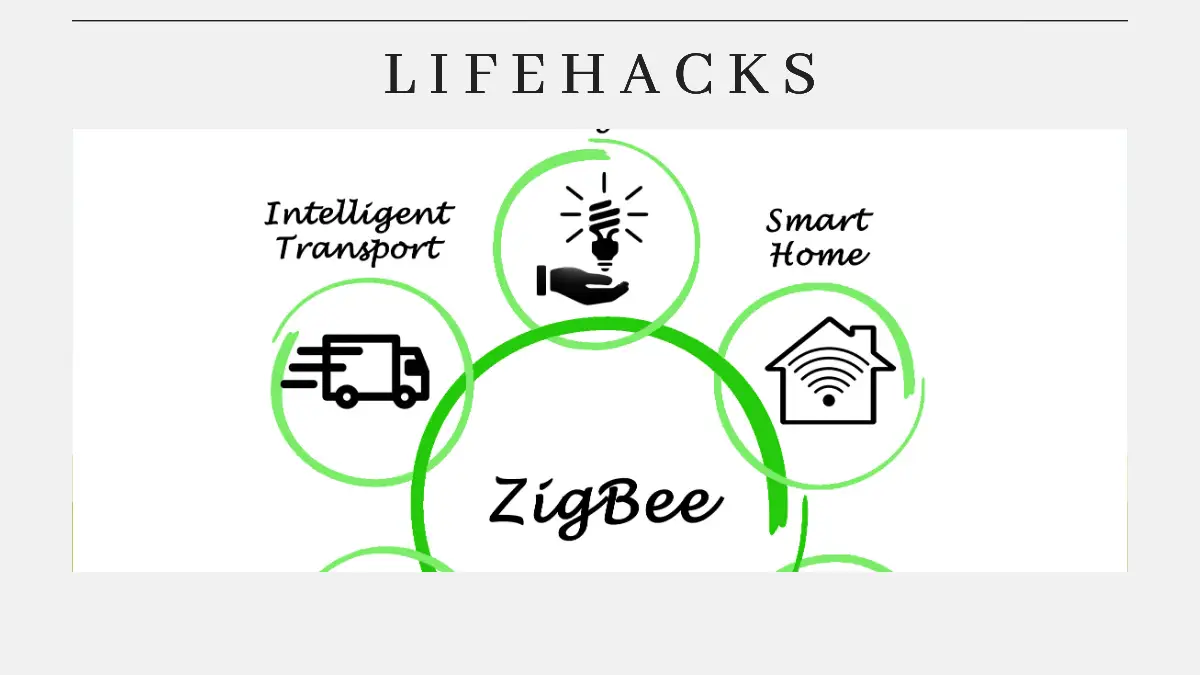
Before learning about the history of Zigbee, you need to understand what this technology actually is. Essentially, it’s the same as other wireless technologies like WiFi, Bluetooth, and Near Field Communication (NFC), which utilize electromagnetic waves to connect devices.
What differentiates these wireless technologies is the frequency used in their applications. This difference also stems from differences in data exchange efficiency.
Zigbee uses low frequencies to exchange data and/or small pieces of information between multiple devices. Because it uses low frequencies, it uses minimal power, eliminating wasted energy.
Therefore, Zigbee devices don’t need to be directly plugged into the mains. Many devices with this technology can operate on battery power.
History of Zigbee: From RFID to Its Use in Smart Homes
Talking about the history of Zigbee cannot be separated from the history of Radio Frequency Identification (RFID) itself. This began during World War II, when attempts were made to develop wireless technology in the 2.4 GHz radio frequency band.
Simple RFID technology was first used by the militaries of various countries to detect the presence of their own and enemy aircraft. After the war, research continued as the US Federal Communications Commission opened the 2.4 GHz frequency for commercial use.
From this, this frequency band gave rise to various technologies such as WiFi, RFID, and NFC. This ultimately led to the emergence of Zigbee technology.
1. Early Development
Zigbee technology is known to have begun development in the 1990s. This was driven by engineers who recognized the need for low-power ad-hoc digital radio networks for automation.
Research continued until the late 1990s. In 2002, the Zigbee Alliance was formed to create an open global standard.
2. Zigbee Alliance
This alliance was formed by major global technology companies to develop Zigbee technology. They include Amazon, Apple, Google, Samsung (SmartThings), Huawei, IKEA, Signify (Philips Hue), Qualcomm, Comcast, and Schneider Electric.
Ultimately, this alliance paid off. In 2005, the first device with Zigbee features was officially released. This device was a wireless module based on the IEEE 802.15.4 standard.
Subsequently, in 2021, the Zigbee Alliance changed its name to the Connectivity Standards Alliance (CSA).
3. Significant technological developments
After the first device appeared, innovations in this technology continued to emerge. In 2006, Zigbee began replacing the key-value pair structure with a larger cluster library.
A year later, Zigbee Pro was released, supporting larger and more complex mesh networks. Over the next 10 years, Zigbee Pro continued to undergo development.
In 2017, the Zigbee Alliance also developed Green Power for battery-free devices and renamed its library to Dotdot.
4. Smart home ecosystem expansion
In December 2019, the Connected Home Over IP project was introduced by Apple, Amazon, and Google, along with the Zigbee Alliance.
This project, known as CHIP, is intended to utilize Zigbee in the smart home ecosystem. Through this project, these companies are making their products compatible with Siri, Alexa, and Google Assistant.
The project was completed in 2021. Products resulting from this project were not released until 2022. Going forward, products developed through this project will be labeled with the Matter brand.
Zigbee Technology Development

From the history of Zigbee above, we know that this technology has undergone significant development since its initial invention. Below is a timeline of Zigbee’s development from the 1990s to the present.
- 1990s: Concept developed of self-organizing ad hoc digital radio networks
- 2003: Zigbee standard established
- 2004: Zigbee 1.0 ratified
- 2005: Zigbee 2024 specification released
- 2006: Zigbee 2006 specification announced, introducing cluster libraries
- 2007: Zigbee Pro and the Zigbee 2.0 specifications finalized
- 2009: Zigbee Alliance and RF4Ce jointly deliver a standard for radio frequency remote controls for consumer electronics
- 2013: Zigbee HA 1.2 released for home automation
- 2014: Zigbee 3.0 announced, unifying multiple standards
- 2015: Zigbee Pro 2015 (R21) specification released
- 2017: Zigbee Pro 2017 (R22) specification released. Zigbee Alliance renamed the library Dotdot, and enabled the ability to run over the network types, such as the Internet Protocol
- 2021: Zigbee Alliance rebranded as the Connectivity Standards Alliance (CSA)
- 2023: CSA announced Zigbee Pro 2026 with added security
The Future of Zigbee
Zigbee’s history has proven its success as a short-range communication technology for efficient, low-frequency data transfers. This has led to its widespread use in smart home systems.
Using predictive history, we can see that Zigbee’s future will be equally successful. Zigbee 4.0 is predicted to focus on stronger security, easier installation, and higher energy performance for the Internet of Things (IoT).
Zigbee is still predicted to excel in its ability to form self-healing mesh networks. Low power consumption will also continue to be optimized, given that it remains the primary choice for battery power supplies.
That’s the history of Zigbee, which can improve your technological literacy. This way, you’ll understand the long-term development of this short-range communication technology.
The future cannot be separated from the ongoing innovations of the past. By understanding Zigbee’s history, you can better appreciate its development.
Table of Contents
Muhammad

Hello, my name is Rifqi. I have studied how language can influence human interaction and impact sociocultural aspects. Currently, I work as a corporate content writer at Dimulti Type Approval. Through my writing, I hope to make difficult technical matters or everyday issues easier for you to understand.
Related Articles