Power management enhances the user experience for modern wireless devices. One of the main points is long battery life.
This determines the comfort and mobility of wireless device users. For example, smartphones, wearables, and wireless earbuds that have long battery life have a more competitive advantage.
Managing power in wireless devices is not just about choosing a large battery. It is more than that; it requires complex design challenges to align battery life with modern lifestyles.
What Is Power Management in Wireless Devices?
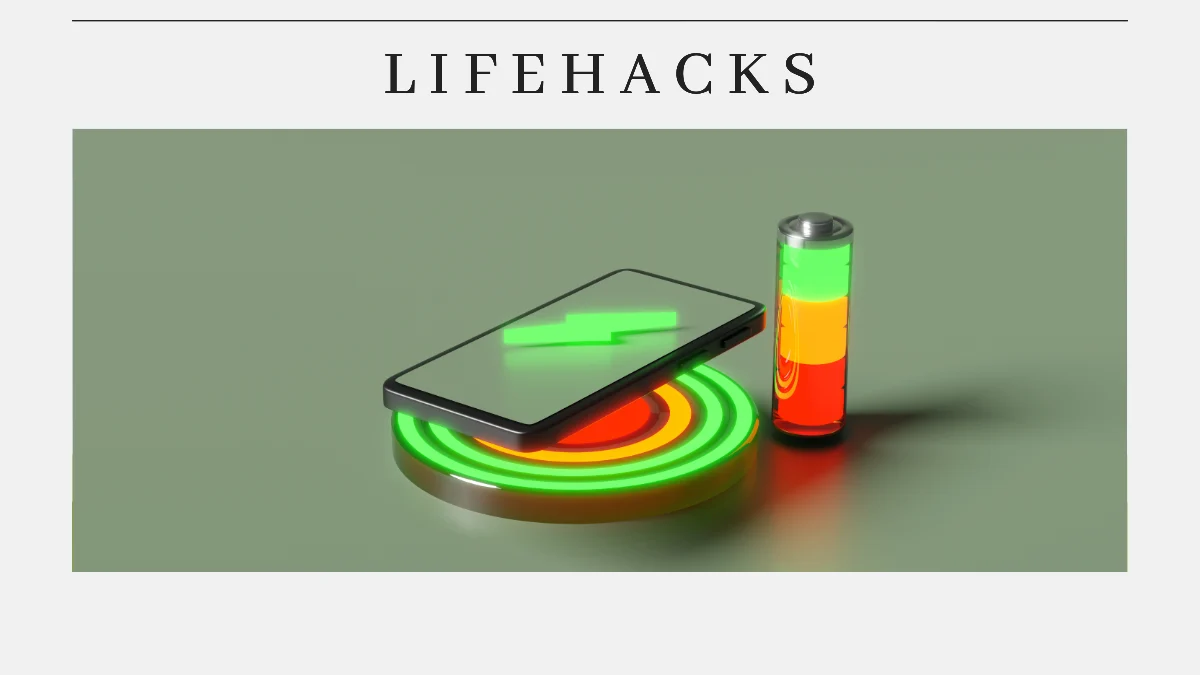
Designing telecom devices for global use is a challenge. In this case, it is about power management in wireless devices that optimizes energy use to extend battery life.
This is done by designing devices to intelligently control hardware, balance performance with power savings, and reduce CPU speed. It can even wake up only when needed for data.
This design cannot be separated from the role of active and idle power consumption. Active power consumption is the amount of power used when a wireless device is performing its main tasks. Meanwhile, idle power consumption is the amount of power used when the device is turned on but is not actively communicating or processing data.
Additionally, the relationship between hardware, software, and wireless communication also plays a role in power management in wireless devices. They are interrelated and very important for optimizing battery life.
This power management will result in longer battery life, always-on features, and a balance between the need for fast data.
Why Wireless Devices Consume More Power Than Expected
Power management design is essential because wireless devices often use more power than expected. This is due to inefficient energy transfer, constant background data synchronization, and the need for greater transmission power due to weak signal strength.
In fact, wireless devices have tasks that require a lot of energy, such as updating applications or backing up large files via WiFi. All of this is exacerbated by hardware factors such as radio frequency (RF) filters or screen resolution.
Meanwhile, energy conversion in wireless charging itself is not 100% efficient, with some energy lost as heat.
Unique characteristics of wireless devices compared to wired devices
The excessive power consumption of wireless devices is inseparable from their unique characteristics compared to wired devices. The following are the main unique characteristics of wireless devices:
- Limited power source: They generally rely on batteries with limited capacity.
- Transmission efficiency: Significant power is required for radio transmission, especially over longer distances or when facing interference.
- Requires a wide coverage area: Sufficient power is required to achieve a certain level of connectivity.
Energy Requirements

The energy required for wireless devices varies greatly. It ranges from milliwatts (mW) for small devices to tens of watts (W) for larger equipment. Power also depends on the type of technology and the function of the device.
Factors determining energy consumption:
- Type of wireless technology
- Device type
- Distance and signal quality
- Data transmission activity
- Data charging efficiency
The Role of Wireless Communication in Battery Drain
Wireless communication is the main source of battery drain in electronic devices. This is because it requires significant energy to maintain connections and transmit data.
The amount of drain depends on the type of technology used, signal strength, usage patterns, and device optimization.
- Technology used: Each technology has a different battery drain. Cellular data generally uses more power than WiFi. Meanwhile, Bluetooth is designed for lower energy consumption.
- Signal strength: Poor signal strength is the main cause of battery drain.
- Usage patterns: Wireless features that are used constantly and intensively, such as GPS tracking, will cause increased power drain.
- Device optimization: Hardware efficiency and software power-saving algorithms play an important role. Newer devices often have better power management than older models.
Power Management Design for Battery Life

Power management for wireless devices focuses on minimizing power consumption. This can be achieved through smart sleep modes, efficient power conversion, energy harvesting, optimized wireless protocols, and hardware integration.
To extend battery life and ensure safety, everything is managed by a Battery Management System (BMS). Here are the main principles in management design for battery life in wireless devices:
- Use low-power components: Components such as the BQ25120 with low quiescent current (Iq) when off/asleep will make the device last longer.
- Deep sleep mode: This mode will turn off peripheral devices such as radios, sensors, and digital blocks when not in use.
- Energy harvesting: Energy from the environment, such as sunlight and heat, can be used to charge the battery.
- Wireless communication optimization: Options such as Bluetooth Low Energy (BLE) can be used for data transmission, as well as protocols such as Zigbee.
- Hardware integration: Integrated Power Management ICs (PMICs) and Wireless Battery Management Systems (wBMS) help conserve power.
Battery Performance of Modern Devices
The performance of modern batteries in wireless devices varies greatly depending on the category of device and its intended use:
| Device Categories | Typical Battery Life Range | Key Features |
| Smartphones (flagship) | 12-16 hours of screen time | Superior software optimization and high-capacity battery. |
| Wireless Earbuds | 8-12 hours on a single charge (up to 40+ hours with a charging case) | The portable charging case functions as a power bank for charging on the go. |
| Wireless Mouse | 40-120 hours (gaming); 3-12 months (office use) | Highly efficient sensors and a specific Bluetooth Low Energy mode. |
| IoT/Smart Home Devices | Several months to several years | Ultra-low power protocols such as WirelessHART and Wi-Fi 6 optimization. |
| Rugged/Specialized Phones | 2-5 days of use | Very large battery capacity (up to 22,000mAh) designed for extreme conditions. |
That is why power management design is important for wireless devices. This is what will make battery life last longer. This is inseparable from the unique characteristics of wireless devices compared to wired devices.
Wireless devices require a wide variety of energy. This is determined by the type of wireless technology, the type of device, and data transmission activities. Additionally, wireless communication is the main source of battery drain in electronic devices.
Therefore, power management for wireless devices is needed, focusing on minimizing power consumption. This is where the role of technology design is crucial, as it’s not just about choosing a high-capacity battery. Good design will align battery life with today’s modern lifestyle.
Table of Contents
Muhammad

Hello, my name is Rifqi. I have studied how language can influence human interaction and impact sociocultural aspects. Currently, I work as a corporate content writer at Dimulti Type Approval. Through my writing, I hope to make difficult technical matters or everyday issues easier for you to understand.
Related Articles