The demand for home automation and energy efficiency is increasing. Therefore, global technology manufacturers are competing to deliver technologies that are increasingly accurate, adaptive, and safe. One of them is the robot vacuum cleaner.
Precision sensors, artificial intelligence (AI) algorithms, and advanced navigation systems are the technologies behind robot vacuum cleaners. All of these are combined in a commercial product that continues to evolve.
This article provides an overview of the technology behind robot vacuum cleaners, including navigation systems and several key considerations for manufacturers and importers.
Core Technology Behind Robot Vacuum Cleaner
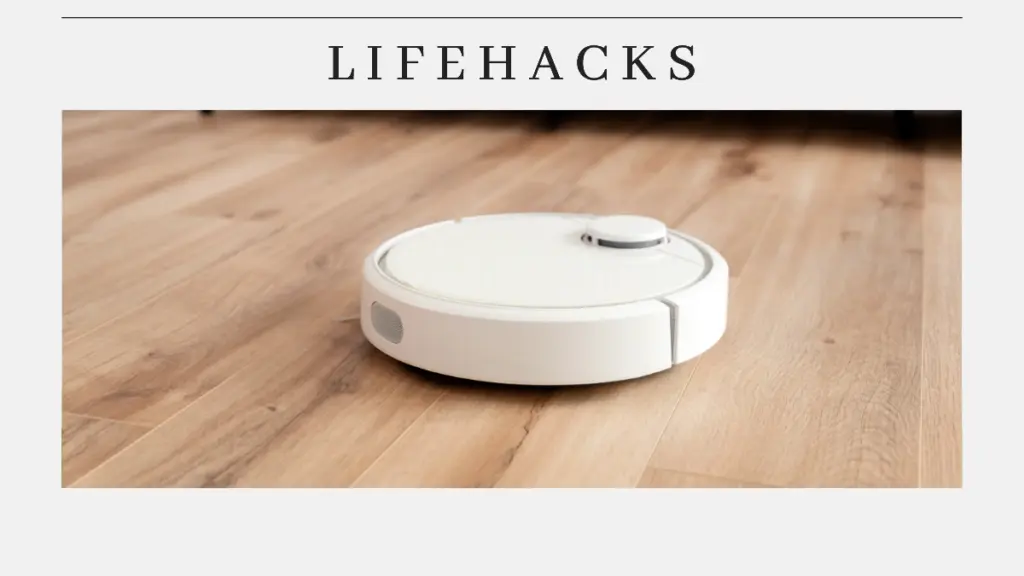
The technology behind robot vacuum cleaners is closely tied to sensors and AI integration. These are the components that support automation. Here is a more detailed explanation of the technology:
Sensors
Sensors are an important technology behind robot vacuum cleaners. These devices use not just one sensor, but many sensors to optimize their performance. Here are some of the sensors used:
- Cliff sensor: An infrared sensor located at the bottom to detect whether there are obstacles ahead or the possibility of falling.
- Bumper sensor: A physical impact sensor to identify collisions when the vacuum cleaner physically hits an object.
- Gyroscope and accelerometer: These function to measure the robot’s orientation and movement, helping it track its position more accurately.
- Light Detection and Ranging (LIDAR): A laser that creates a highly accurate map of large and complex rooms, measuring distances and detecting obstacles.
- Camera / Visual Sensors (VSLAM): Used in combination with LiDAR for camera-based mapping, providing more detailed information in identifying specific objects.
AI integration
Another technology behind the latest robot vacuum cleaners is Artificial Intelligence (AI). This component provides advanced intelligence to these automatic cleaners. Its capabilities include obstacle recognition, adaptive suction, home structure recognition, and smart home integration. Here are the main benefits of AI technology in robot vacuums:
- Smart obstacle avoidance: Machine learning enables the device to avoid obstacles more intelligently as it learns to avoid new objects over time.
- Adaptive cleaning: AI can identify different types of floors and dirty areas, allowing it to adjust the suction mode automatically.
- Cleaning optimization: The vacuum cleaner can continuously learn the structure of the house, thereby improving performance by covering a wider area more efficiently.
- Smart home integration: Robot vacuums can connect to WiFi and integrate with smart home ecosystems. Users can control and schedule house cleaning via a mobile app or voice commands.
Navigation Systems: Making Intelligent Path Planning

Sensors and AI integration, as the technology behind robot vacuum cleaners, produce navigation systems. This is what enables robots to create virtual maps, systematically sweep areas, and avoid obstacles.
In addition to all the sensors, other important supporting components are mapping algorithms and Simultaneous Localization and Mapping (SLAM). This enables robots to determine their position and map their surroundings simultaneously.
Here’s how the system works:
- Performs virtual mapping by scanning the room with sensors.
- Creates an optimal cleaning path plan.
- Cleans the area systematically.
- Sensors continuously detect obstacles and adjust the vehicle’s path accordingly.
- The robot returns to the base station after cleaning.
- The robot automatically recharges at the base station in preparation for the next cleaning.
Key Considerations for Manufacturers and Importers

As the technology behind robot vacuum cleaners continues to evolve, several key factors that manufacturers and importers need to consider have emerged. These range from features that have the potential to become industry standards to regulations that await global distribution.
What features are becoming industry standard?
Several features may become the new industry standard for robot vacuums:
- LIDAR + AI
- Multi-floor mapping
- Anti-tangle brush
- Auto-empty docking station
Manufacturer differentiation strategy
Several strategies that manufacturers can use to maximize:
- Focus on durability: Durability will increase consumer interest because the product can be used for an extended period.
- Service and after-sales: Long warranties, easily available spare parts, and service centers located everywhere will make it easier for customers when they encounter problems.
- Bundling with smart home ecosystems: Product bundling can be an additional strategy in promoting integrated smart home ecosystems.
Regulatory considerations
The technology behind robot vacuum cleaners uses wireless communication, which operates within a specific frequency spectrum. In every country, all wireless devices are required to have Radio Frequency (RF) Certification.
The regulations require all radio frequency-based devices to meet certain technical standards before they can be sold in that country. This certification ensures that products comply with government safety and quality regulations and do not interfere with other communication devices.
For companies seeking to sell robot vacuum cleaners, International Type Approval Services are available to support this process. This service includes preparing technical and legal documents, conducting the necessary testing, ensuring regulatory compliance, and providing consumers with confidence in certified products.
Table of Contents
Muhammad

Hello, my name is Rifqi. I have studied how language can influence human interaction and impact sociocultural aspects. Currently, I work as a corporate content writer at Dimulti Type Approval. Through my writing, I hope to make difficult technical matters or everyday issues easier for you to understand.
Related Articles