Very Small Aperture Terminal (VSAT) is a technology needed to provide internet access in remote areas. However, there are several challenges associated with using VSAT.
From bad weather to interference from other satellites, these are some of the challenges of using VSAT. But there are solutions to all of these challenges. You can still use VSAT by overcoming some of these challenges.
Curious about how to overcome the challenges of using VSAT? Let’s discuss it together.
The Challenges of Using VSAT Technology
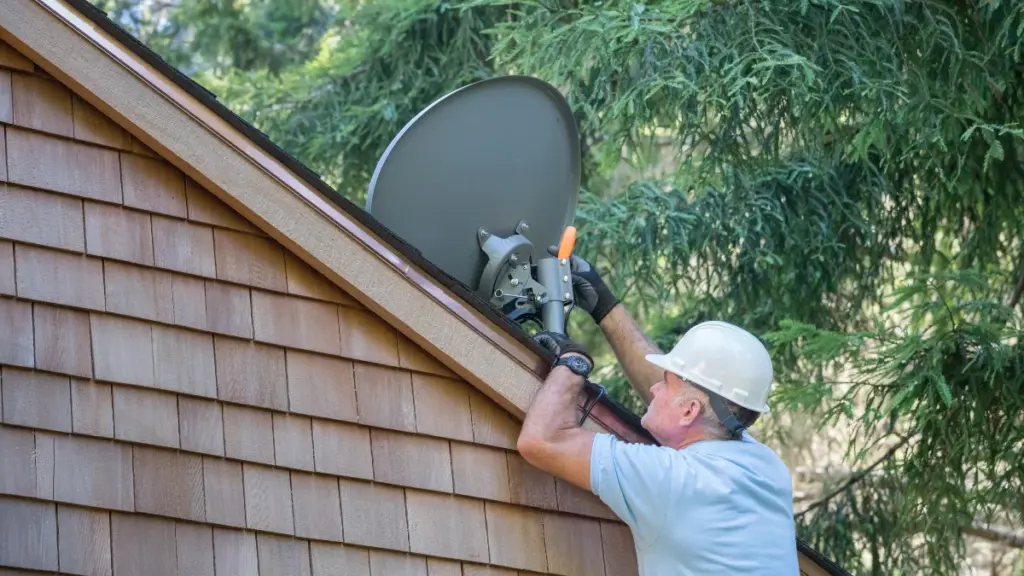
Although there are many benefits to this tiny technology, the challenges of using VSAT are unavoidable. Here are some things to consider:
Installation problems
Installation problems are the most common initial challenge. If the installation is not done correctly, it will interfere with your internet usage in the future. During VSAT installation, the device is often obstructed by buildings and trees. However, the installation of this device requires a clear line of sight to the satellite.
Latency
As we know, VSAT signals must travel long distances to the satellite and back again. Because the signal must travel back and forth to the satellite, there will be higher latency compared to cable-based connections. This will be very noticeable when you access real-time data such as video calls.
Cross polarization and interference
Like other technologies, VSAT is also susceptible to cross polarization and interference from other satellites. These obstacles will certainly reduce signal quality and connection reliability. This can occur due to antenna misalignment during installation.
Extreme weather disturbances

VSAT signals, especially those for certain frequencies such as Ku-Band, are vulnerable to disturbances caused by bad weather conditions. Heavy rain or storms can affect the stability of the device’s signal. Connection quality can be affected by water molecules in the atmosphere.
Cost
Compared to regular internet, VSAT installation and subscription costs tend to be higher. However, geographical challenges will also affect the cost. This is certainly still a burden for individuals or small organizations in remote areas.
How to Overcome the Challenges

Don’t worry, there are solutions to all of the challenges of using VSAT mentioned above. The first solution to avoid the challenges is determined on choosing the VSAT. Here are the things you can do:
- Install the antenna away from physical obstacles: An installation location that is not obstructed by buildings and trees will make the connection more stable.
- Use the latest technology: VSAT with the latest technology, such as LEO, has lower latency and good speed because the satellite is closer to Earth.
- Ensure the antenna is installed parallel: VSATs that are installed parallel according to the service provider’s specifications will avoid interference and maintain signal quality.
- Install in a shaded location: A location that is protected from rain and extreme weather will help stabilize the connection.
- Look for affordable service provider packages: Affordable packages that can be tailored to your specific needs will make it easier to own this device.
The challenges of using VSAT are inevitable. By understanding the challenges and knowing the solutions, you can use VSAT optimally.
All challenges must be overcome to achieve equitable internet access across all regions. Starting with finding the right package from a service provider and installing it correctly are the first steps towards equitable digitalization.
Table of Contents
Muhammad

Hello, my name is Rifqi. I have studied how language can influence human interaction and impact sociocultural aspects. Currently, I work as a corporate content writer at Dimulti Type Approval. Through my writing, I hope to make difficult technical matters or everyday issues easier for you to understand.
Related Articles