In the digital era, telecom devices, including smartphones, routers, Internet of Things (IoT) devices, and wearable devices, are ubiquitous. From the outside, they look simple, but inside is a complex ecosystem of components.
By understanding the internal components of the telecom device, we will know the product better, make smarter purchasing and manufacturing decisions, and gain awareness of how connectivity actually works.
In this article, we will give you the information about Radio Frequency (RF) modules, chipsets, and System on a Chip (SoC). Hence, you can know that the core brain and voice of telecom devices is.
The Basic Architecture of a Telecom Device
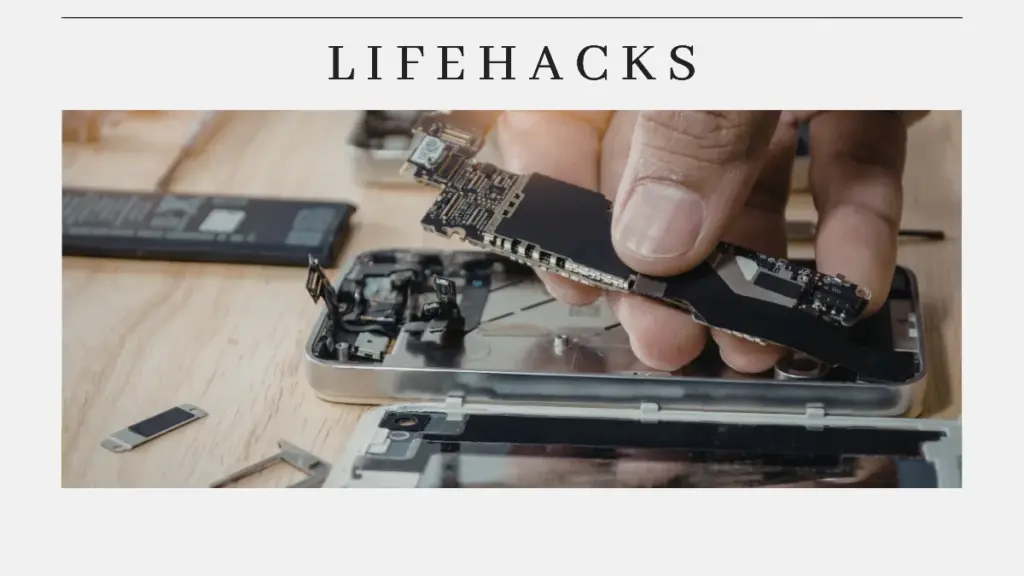
To understand the inside of a telecom device, you need to understand the basic architecture. Secara structural, basic architecture of a telecom device terdiri dari antenna system, RF front end, processing unit, dan power management.
The antenna system is an important component of telecommunications devices. Its function is to convert signals. When transmitting, electrical signals are converted into electromagnetic waves. When receiving, electromagnetic waves are converted into electrical signals.
The RF front end is a crucial part that receives, filters, amplifies, and converts radio signals into digital signals. When transmitting, it ensures that data is sent and received with optimal quality.
The processing unit is called a chipset, which is the brain of the telecommunications device. It contains a system on a chip (SoC) that functions to execute instructions, process data, and control operations.
Power management itself is a series of processes to optimize energy consumption in the telecommunications system as a whole. Simply put, the antenna is like the ears and mouth, the RF module is the translator, and the chipset is the brain.
The signal flow from the antenna to the software involves a series of steps. It starts with converting invisible radio waves into electrical signals, conditioning them, and then converting them into digital data. The data is then interpreted by the computer.
RF Modules: How Wireless Signals Enter and Leave the Device

An RF module is a compact electronic device that transmits and receives radio frequency (RF) signals. Its task is to act as a wireless bridge for data communication between devices.
It is essential for WiFi, Bluetooth, IoT, and remote control. It also handles signal modulation/demodulation, amplification, and filtering for automation.
The module does not work alone; it works with various protocols, such as WiFi, Bluetooth, and LoRa. It often consists of a transceiver, antenna, and control circuit, enabling wireless connections where a direct line of sight is not required.
Key components inside an RF module
RF modules have components that support their optimal functioning. These components are:
- Transceiver: Enables wireless communication by sending and receiving RF signals.
- Power Amplifier (PA): As the final stage, it amplifies low-power radio frequency signals to a sufficient strength for transmission through the antenna.
- Low-noise amplifier (LNA): Serves to amplify very weak radio signals from the antenna by adding minimal noise to maintain signal quality.
- Filter: Selects the desired frequency band, for example, low-pass, high-pass, and band-pass, while blocking noise.
- Switch: Directs signals between different paths, bands, or components.
Common types of RF modules
Based on technology, RF modules are divided into several common types. These include:
- WiFi modules: High bandwidth for internet connectivity (2.4 GHz, 5 GHz).
- Bluetooth modules: Short range, low power consumption for connecting peripheral devices, such as mobile phones and headphones.
- Cellular modules (GSM, LTE, 5G): Long range, for cellular communication.
Chipsets: The Control Center for Connectivity
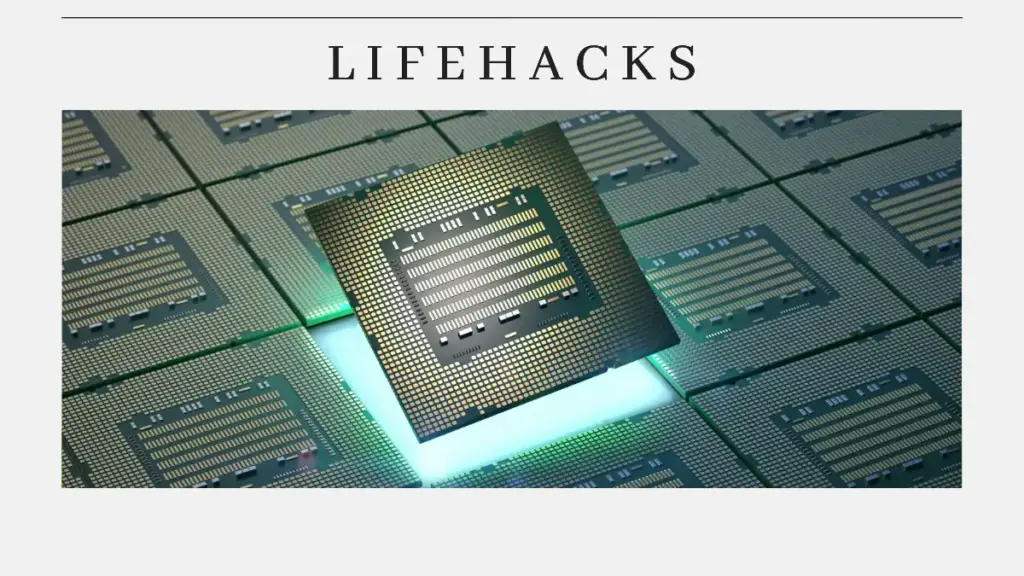
The chipset in a telecom device is a collection of integrated circuits (chips) that manage data flow and communication between the main processor, memory, and all peripheral components. This even includes radio and network hardware. Basically, it is the communication center of the device.
Telecom devices rely heavily on the chipset because it is the critical brain that enables all aspects of modern connectivity, processing, and communication to occur. Wireless communication as we know it today would not be possible without the chipset.
Functions Handled by Chipsets
Chipsets have several functions that they handle. Here are some of them.
- Signal processing: Manipulation, analysis, and transformation of audio, video, data, etc., signals to extract information or improve quality.
- Protocol handling (WiFi, LTE, 5G): Acts as the brain that manages, processes, and translates digital data radio signals that can be used by devices.
- Data routing: Ensures information is sent correctly to the right destination.
- Device coordination: Manages data flow between various components to ensure smooth operation.
How chipsets affect device performance
As the central nervous system of a device, chipsets greatly affect the performance of telecom devices. Their performance affects speed, stability, power efficiency, and compatibility with networks.
- Speed: A more powerful chipset will enable faster processing for many applications.
- Stability: The chipset also affects device stability, especially when running demanding applications such as games with high graphics.
- Power efficiency: Influences the optimization of power usage and extends battery life.
- Compatibility with networks: The chipset controls the data path (bus) and supports features such as PCIe, SATA, and advanced I/O, which affect the speed of communication between components.
System on a Chip (SoC): When Everything Comes Together

A System on a Chip (SoC) is responsible for integrating all the important components of a computer or electronic system. The Central Processing Unit (CPU), Graphics Processing Unit (GPU), memory, and Input/Output (I/O) ports are integrated into a single integrated circuit (chip).
This creates a compact, reliable, and energy-efficient solution. It is commonly found in telecommunications devices such as smartphones, tablets, and IoT devices. It reduces size and cost while improving performance.
SoC is highly favored by modern telecommunications devices because of its ability to integrate various functions into a single chip. This is due to the importance of meeting the demands for high-performance, power-efficient, and compact wireless solutions.
To function optimally, SoCs are supported by core components within them. These components are:
- Central Processing Unit (CPU): The brain of the SoC, responsible for executing instructions and performing calculations.
- Graphics Processing Unit (GPU): A specialized processor that handles the output and rendering of images and videos, often found in modern mobile devices and laptops.
- Memory: Includes various types of semiconductor memory blocks, such as RAM (for temporary data storage) and ROM/Flash memory (for permanent storage of instructions and data).
- I/O Ports: Circuits that enable communication with external devices and networks in support of industry-standard protocols such as USB, HDMI, Ethernet, Wi-Fi, Bluetooth, and cellular modems.
SoCs in different telecom products
The sophistication of SoC makes it suitable for use in various telecom devices. Here are some examples:
- Smartphones: Used to integrate processors, modems (4G/5G), GPUs, AI accelerators, and camera hardware for high performance and battery life.
- 5G infrastructure: Used in base stations and network equipment for efficient signal processing, massive MIMO, and virtualization, which require high throughput and low latency.
- Smart home & IoT devices: Provides connectivity (Bluetooth, Wi-Fi, cellular) and sensor processing for smart watches, sensors, and connected smart home devices.
- Automotive: Supports infotainment systems, Advanced Driver Assistance Systems (ADAS), and autonomous driving features, which require powerful, integrated processing.
- Networking & servers: Used in routers, switches, and servers for efficient data packet processing, often integrating specialized accelerators.
How RF Modules, Chipsets, and SoCs Work Together
RF modules, chipsets, and SoCs work together to represent various levels of integration for wireless communication components. How they interact can vary depending on the chosen design architecture.
Step-by-step simplified data flow:
- Signal captured by the antenna
- RF module conditions the signal
- Chipset/SoC processes data
- Software interprets & acts
- Importance of coordination between hardware & firmware
Why can mismatches cause problems?
Mismatches are the most significant cause of problems when the three work together. The problems are as follows:
- Impedance mismatch: The most significant cause of problems because each component in the RF circuit does not have the same characteristic impedance. Typically, the impedance is 50 ohms.
- Signal integrity and interference issues: The proximity of various components, such as analog, digital, and mixed signals in integrated systems, causes various interference problems.
- Lack of standardized integration: This is caused by the use of ready-made modules or chipsets from various vendors, so the interfaces may not be fully compatible.
That is what is inside a telecom device. Radio Frequency (RF) modules, chipsets, and System on a Chip (SoC) influence telecom device work.
Without these components, there is no core brain and voice of telecom devices. And there would be no wireless connection in modern devices today.
By understanding the inside of telecom devices, you can now know the product better, make smarter purchasing and manufacturing decisions, and gain awareness of how connectivity actually works.
Table of Contents
Muhammad

Hello, my name is Rifqi. I have studied how language can influence human interaction and impact sociocultural aspects. Currently, I work as a corporate content writer at Dimulti Type Approval. Through my writing, I hope to make difficult technical matters or everyday issues easier for you to understand.
Related Articles