You’re probably already familiar with Internet of Things (IoT) technology. These days, the term is becoming increasingly common thanks to its applications in everyday life, such as smart homes.
Even though the term is now widely recognized, many people may still not realize how this technology came to be so popular today. This is certainly tied to the history of IoT, which began 100 years ago.
The term IoT first emerged in the early 1920s and has remained popular ever since. Let’s delve deeper into the history of IoT to enhance our technological literacy and understand the story behind the technology we use.
What is IoT?
Before delving further into the history of IoT, it’s a good idea to understand its definition first. The Internet of Things (IoT) is a system composed of various components, such as computers, machines, mechanical systems, and others. These components are capable of transmitting data over a network without any interaction from humans or the computers themselves.
To visualize what IoT looks like, imagine a railway line and its stations. The stations are devices, the tracks act as the network, and the trains represent the data.
The trains travel from one station to another, forming a schedule. The database for IoT is that train schedule.
Simply put, IoT is a group of objects that are all connected and capable of exchanging data across a shared system. This system can also form part of a larger system.
History of IoT
The history of IoT is closely tied to the early development of the internet from 1830 to 1840. During this era, the first wireless communication channels were developed.
This communication was carried out via the telegraph (the first land-based telephone line). Eventually, in 1832, the electromagnetic telegraph emerged, capable of connecting two devices via electrical signals.
1. The early development of the Internet
In 1963, the internet was first used commercially by the U.S. Department of Defense. It was utilized as part of the Defense Advanced Research Projects Agency (DARPA). In 1969, DARPA was renamed the Advanced Research Projects Agency Network (ARPANET), which was dedicated to further development.
2. The rise of computers
The development of device communication using wireless networks directly spurred the advancement of computers. This marked the beginning of devices that first served as servers connecting devices via the internet.
The computer was first invented in 1950. This marked the first major step in the history of IoT implementation.
Five years later, a major milestone in IoT implementation was achieved by NASA. A computer called the Apollo Guidance Computer (AGC) was used as the brain of their space navigation system. This also served as proof that computers could collect, receive, and act upon data obtained through an internet connection.
3. The internet and computers have become inseparable
Since the 1950s, the Internet and computers have continued to evolve. The Internet has been developed in various countries, giving rise to technologies such as Bluetooth, RFID, Zigbee, and others.
Computers have also been developed through various research efforts, leading to the creation of smartphones, smartwatches, and other devices. The internet and computers are inseparable as the two main components of the Internet of Things.
4. The Coca-Cola vending machine as a pioneering example
The integration of the internet and computers into the IoT began with a rather unique story. A computer science graduate from Carnegie Mellon University in Pittsburgh named David Nichols grew frustrated when he found that the Coca-Cola vending machine on campus was always out of stock.
Not wanting to be annoyed by having to go back and forth without getting anything, he tried to come up with a solution. Using the ARPANET network, he retrieved data from the cable connected to the stock indicator light.
This allowed David to view the machine’s status remotely via his computer. From there, he could determine whether the desired beverage was available.
5. The term IoT was first introduced
The term Internet of Things (IoT) was first introduced during a presentation to a company. This occurred in 1999 when Kevin Ashton, Executive Director of Auto-ID Labs at MIT, introduced the term to Procter & Gamble (P&G).
Kevin Ashton was not the first to develop this concept. However, from this point on, the term “Internet of Things” began to gain traction. Through this contribution, Kevin Ashton became known as the “Father of the Global IoT.”
6. The first implementation of the IoT model
As it evolved, the IoT concept was applied to many devices. However, since the term IoT was introduced and officially adopted, the Japanese company LG became the first to implement this concept in its products.
In 2000, LG created a refrigerator that could connect to the internet. Its capabilities included:
Creating a shopping list
Providing real-time information on prices and stock levels of food products
Providing information on the refrigerator’s temperature
Providing tips on food, nutrition, recipes, expiration dates, nutritional information, and cooking methods for the products stored inside
IoT Today
As the history of IoT continues to evolve, there are now many devices that leverage its capabilities. This is inevitable given its ability to connect various devices within an ecosystem.
We encounter IoT frequently in our daily lives. Examples of its applications include smart homes, industry, and smart cities.
1. Smart homes
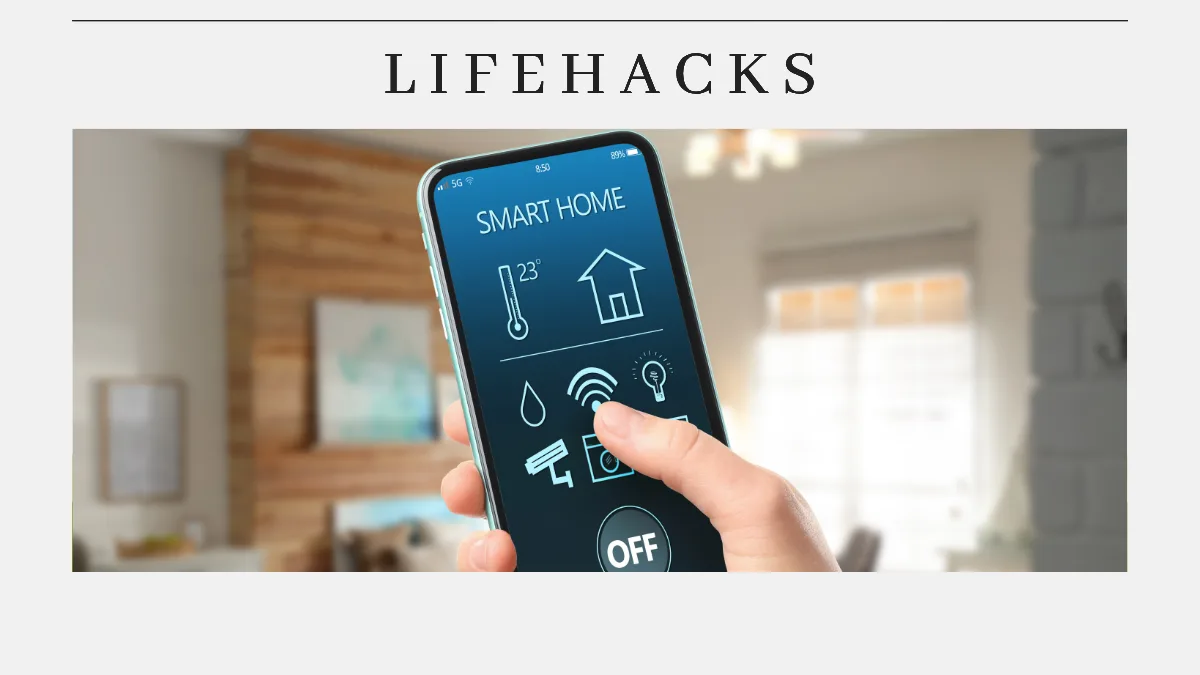
When discussing IoT, it is closely tied to the concept of smart homes. This is because it is most relevant to daily life.
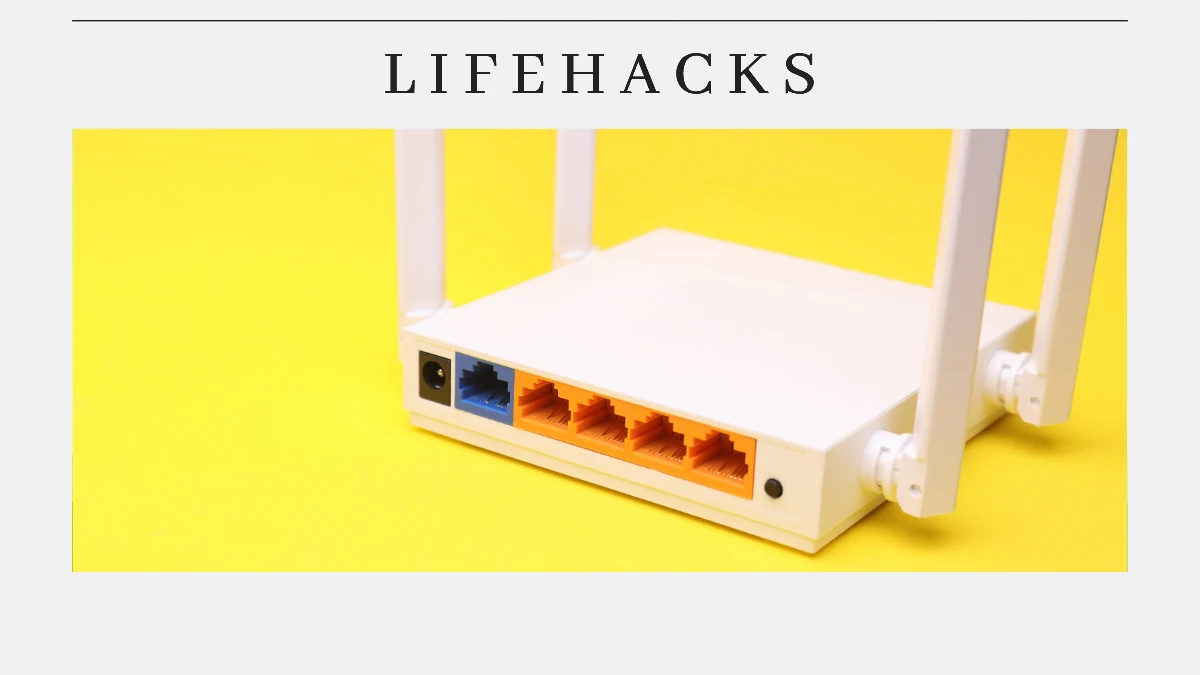
IoT can connect various devices or household appliances equipped with wireless networking features or technology to communicate with one another. As a result, items like doors, refrigerators, televisions, and even lights can be connected to a Wi-Fi network set up via a router.
These interconnected devices can be controlled through an app on a smartphone. You can configure them according to your commands and even have them exchange data with one another.
2. Industrial IoT
IoT is not only used in homes but also across various sectors, including manufacturing, healthcare, and logistics. Sensors embedded in various manufacturing devices or factory equipment enable operators to control them via systems or applications.
3. Smart city
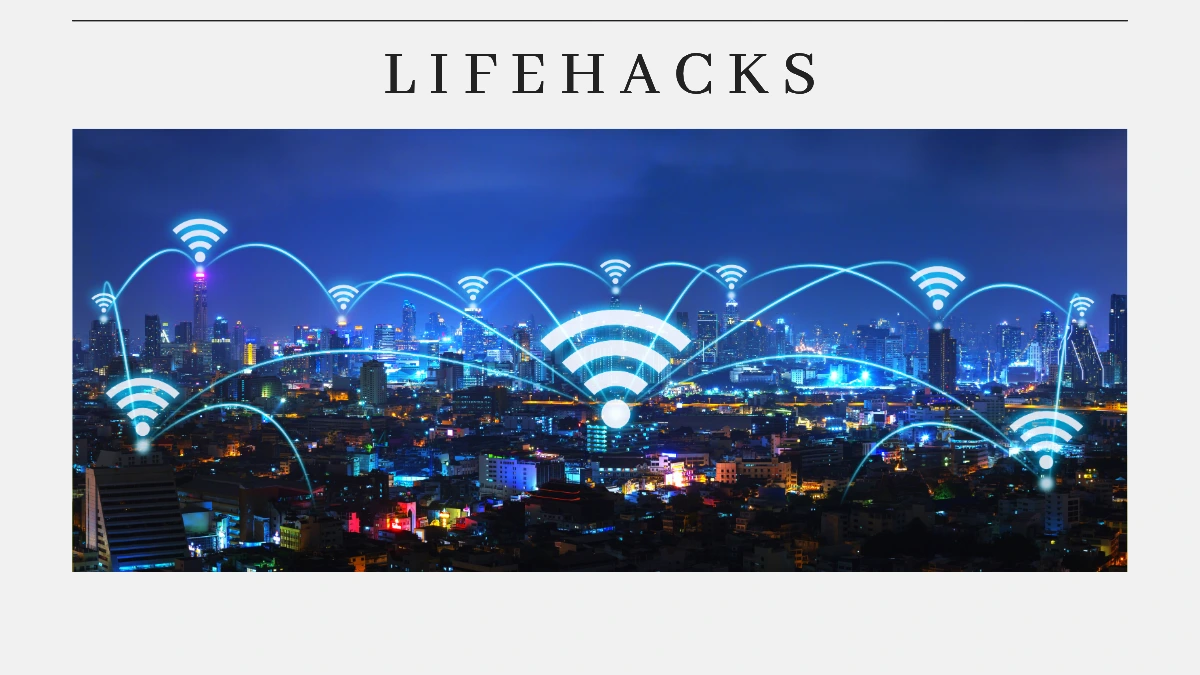
On a larger scale, IoT is used for smart cities. While not all aspects of this concept involve IoT, it is certainly one of the technologies that can be utilized for this purpose.
This concept is supported by internet connectivity implemented across various city facilities. As a result, the public benefits from automation that enables more orderly and organized urban management.
The Future of IoT
Given the history of IoT and its current applications, we know that its future remains very bright. In the years ahead, IoT is expected to become even more integrated into our daily lives.
IoT is expected to evolve from mere connectivity to intelligent and autonomous systems. According to the University of the Future (UPES), this technology is projected to reach more than 25 billion devices by 2030.
Its applications will become increasingly widespread, spanning healthcare, agriculture, transportation, hospitality, retail, manufacturing, and smart cities. Given this, there is no doubt that the presence of IoT in the future will continue to make our lives easier.
However, no matter how this technology continues to evolve, it will always be rooted in its early history. That is the history of IoT, which can enhance your technological literacy. In this way, you will understand that the process of establishing digital communication standards has a long history.
This understanding of IoT will be beneficial as the technology continues to develop in the future. When would you like to discuss the history of other technologies?
Table of Contents
Muhammad

Hello, my name is Rifqi. I have studied how language can influence human interaction and impact sociocultural aspects. Currently, I work as a corporate content writer at Dimulti Type Approval. Through my writing, I hope to make difficult technical matters or everyday issues easier for you to understand.
Related Articles